When a supplier says "our cotton meets BP standard", it usually means the product passes the pharmacopoeia tests for absorbent cotton. It does not mean every batch is identical, and it does not tell you which tests were actually run.
This guide explains what these standards cover and which parts you should verify.
What the three standards have in common
BP (British Pharmacopoeia), EP (European Pharmacopoeia) and USP (United States Pharmacopeia) all define absorbent cotton as purified cotton from the seed hairs, freed from fat and foreign matter, then bleached and dried.
All three set limits on the same core parameters:
- Absorbency: measured by sinking time, typically under 10 seconds
- pH of aqueous extract: usually between 5.0 and 7.5
- Water soluble substances: a maximum percentage
- Sulphated ash: a maximum percentage
- Fluorescence: no more than a faint blue violet, which detects optical brighteners
- Foreign fibres and residual matter: visible inspection limit
Because the limits are close, a product made to BP usually satisfies EP. USP differs in some test methods and tolerances, so a US buyer should ask specifically for USP testing.
Gauze has its own standard
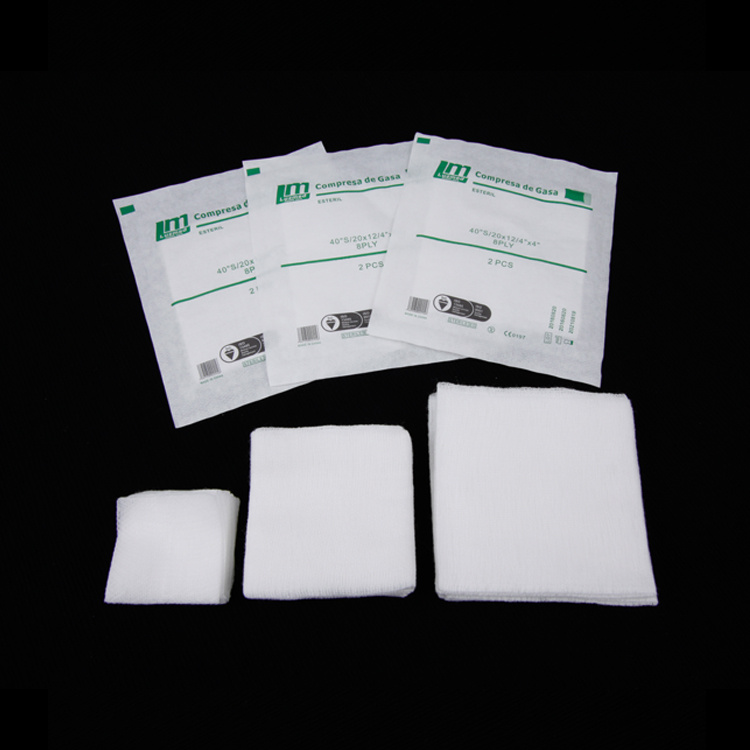
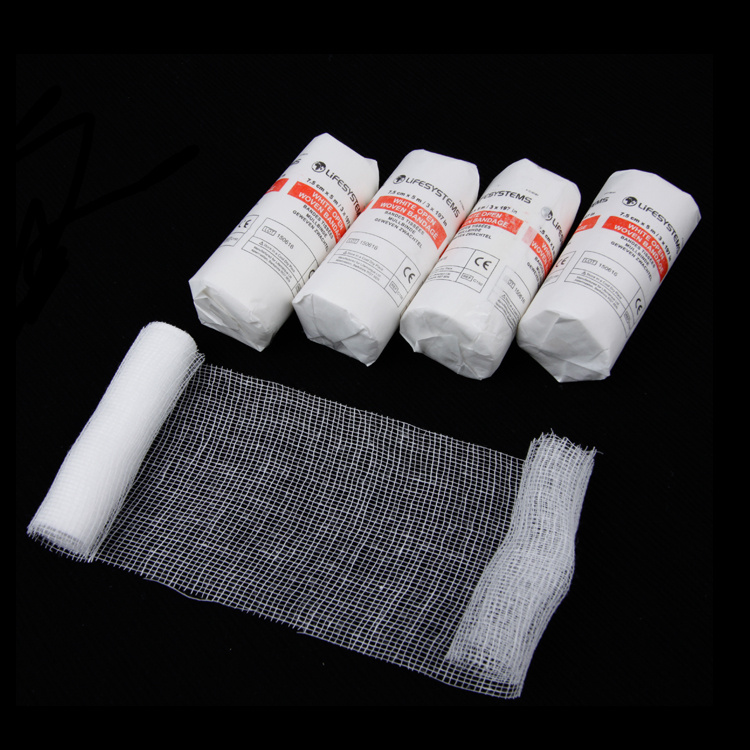
For gauze, the relevant European standard is EN 14079, which classifies gauze by mass per unit area and specifies absorbency, pH and thread count requirements. Pharmacopoeia monographs cover gauze as well, but EN 14079 is the reference most European buyers cite in tenders.
If your tender document refers to EN 14079, do not accept a generic "BP gauze" statement. Ask for the test report against EN 14079 with the mass per square metre stated.
Which tests to request
For each shipment or at least each production batch, a usable report includes:
- Sinking time and absorbency
- pH value
- Water soluble substances
- Sulphated ash
- Fluorescence under UV
- Threads per inch in warp and weft, for gauze
- Mass per square metre
- Sterility and EO residue, for sterile products
Ask for the laboratory name, the sample date, and the batch number. A report with no batch number cannot be linked to your goods.
How to read a report without being misled
Three things to watch:
Test methods. A report that states results without naming the method may be using an internal shortcut. The pharmacopoeia reference should appear next to each parameter.
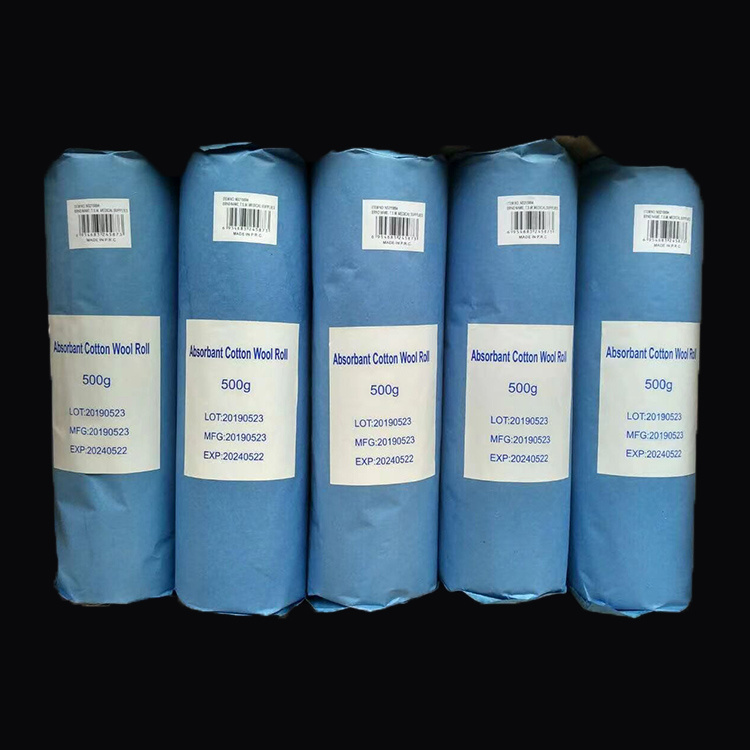
Sample description. If the report says "cotton roll, 500g" but you are buying 50g dental rolls, it does not apply to your product.
Date and frequency. One report from two years ago does not describe what you will receive next month. For a new supplier, ask for reports from the last three batches.
Common substitutions to guard against
- Bleached cotton replaced by a lower grade with optical brighteners added to look whiter (this fails the fluorescence test)
- Cotton roll weight below the declared figure, with the difference absorbed by looser winding
- Sterile product packed without a validated sterilization cycle, relying on the label alone
Each of these can be detected with the tests above, which is why the tests matter more than the certificate language.
What we provide
For every export order we can supply a batch linked test report covering the parameters listed above, plus the material safety data sheet and the certificate of analysis for sterile items. If your tender document has a specific clause, send it to us and we will confirm compliance line by line before you commit.
See our cotton roll and cotton ball specifications, or contact us with the standard your market requires.