
Most importers choose a gauze supplier on price and a sample. That works until the second order, when the mesh gets lighter, the packing changes, or the certificate turns out to cover a different product.
These seven checks take about one working day and remove most of that risk.
1. Confirm the company is a manufacturer
Ask for the business license and check whether the registered scope includes production of medical dressings. A trading company will list sales only. This is not automatically a problem, but you need to know who actually makes the goods, because that is the party your certificate refers to.
Ask for a short video call walking through the workshop: weaving or slitting machines, folding section, packing line, and the finished goods warehouse. A live call is harder to stage than a photo set.
2. Read the CE certificate carefully
Two details matter more than the existence of the certificate.
The classification. Gauze swabs are typically class IIa under the EU MDR. If the certificate states class I, it does not cover your product.
The manufacturer name and address. It must match the factory that will produce your order. A certificate issued to a different company in a different province means your supplier is reselling.
Also check the notified body number, the expiry date, and whether the scope lists the exact product family you are buying.
3. Verify ISO 13485 scope
An ISO 13485 certificate is only meaningful if its scope covers the design and manufacture of medical dressings. Ask for the certificate number and verify it on the certification body website rather than trusting a PDF alone.
4. Ask for a recent third-party test report
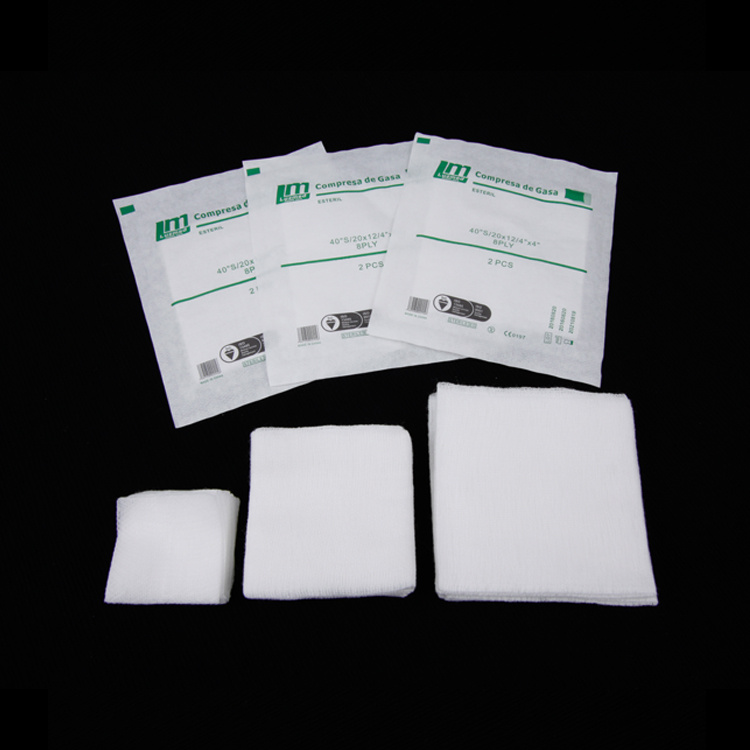
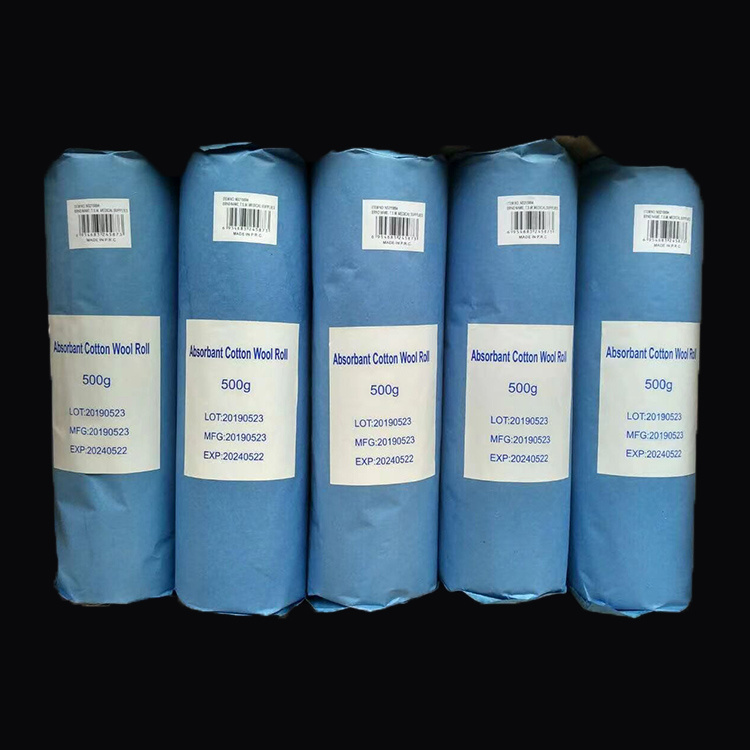
For gauze and absorbent cotton, the useful parameters are:
- Absorbency and sinking time
- pH value of the aqueous extract
- Water soluble substances
- Fluorescence (indicating optical brighteners)
- Fibre shedding or particulate matter
- Sterility and ethylene oxide residue, for sterile products
A report older than 12 months, or one covering a different product, should be treated as marketing material rather than evidence.
5. Check real capacity, not claimed capacity
Ask how many folding machines and how many packing lines the factory runs, and how many containers they shipped last month. Compare that with your required volume.
A useful sanity check: one 40HQ container holds roughly 60 to 68 cubic metres. If a supplier claims they ship 40 containers a month but their workshop has eight folding machines, the numbers do not match.
6. Confirm lead time in writing, with the packing included
Lead time problems usually come from packing, not from production. Custom printed pouches, labels and inner boxes add two to three weeks that many quotations quietly exclude.
Ask for the lead time broken down as: raw material, production, sterilization, packing, and inspection. Then ask what happens if your artwork arrives late.
7. Talk to two existing customers
Ask for two references in your region, ideally not their largest customer. A short email to a buyer who has ordered three times tells you more about consistency than any brochure.
If the supplier refuses to provide any reference, that is information in itself.
Red flags worth walking away from
- Certificate scope does not match the product
- Unwillingness to do a live video call from the workshop
- Price more than 15 percent below the market average with no explanation
- No third-party test report, only internal "quality control certificates"
- Pressure to pay 100 percent in advance for a first order
A note on price, once the checks pass
After verification, compare suppliers on the total landed cost, not the unit price. Include packing, sterilization, carton dimensions, and how efficiently the goods load into a container. A supplier 3 percent cheaper per carton but with poor carton design can cost you more per container.
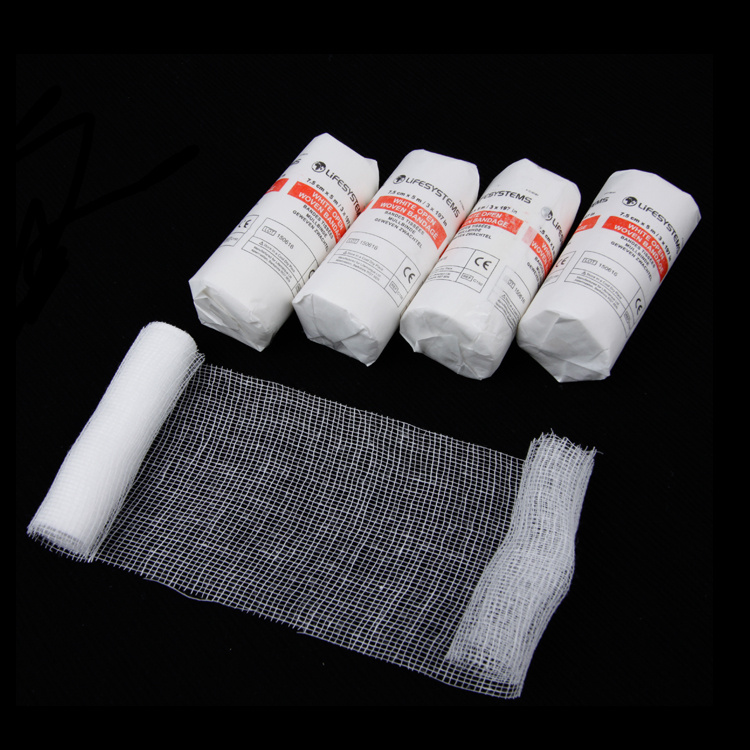
We are a manufacturer with more than 20 years of production experience in medical gauze and absorbent cotton. Certificates, test reports and a live workshop call are available on request. See our gauze bandage and lap sponge ranges, or contact us for a specification review.