Distributors often ask us whether they should push woven gauze or non-woven dressings. The honest answer is that both sell, in different segments, at different margins. What matters is matching the product to the customer you already have.
How the two materials differ
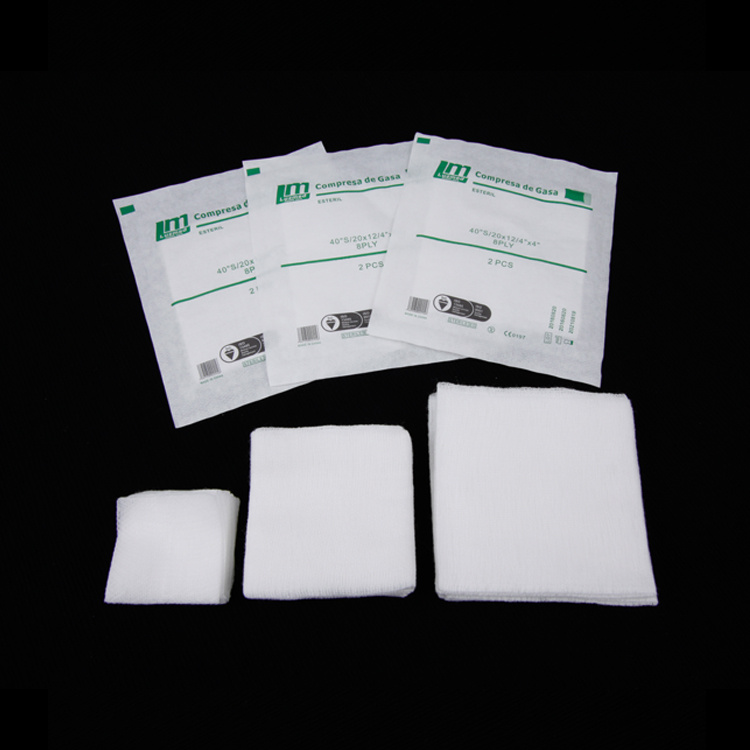
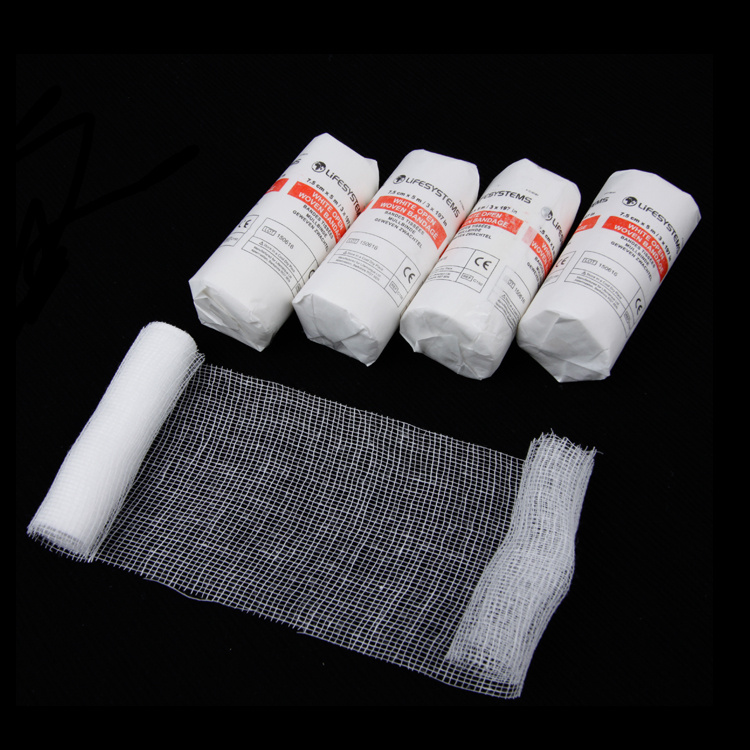
Woven gauze is made from cotton yarn, woven on looms, then bleached and processed. It has an open mesh structure that absorbs quickly and drains well. Non-woven is made from fibres bonded by heat, chemical or mechanical process, and can combine cotton, viscose and polyester.
The structural difference drives everything else: absorbency, lint, cost and how the dressing behaves when wet.
Where woven gauze wins
Absorbency and drainage. The open mesh of gauze moves fluid away from the wound surface quickly, which is why it remains standard for cleaning, packing and general wound management.
Cost per unit. For basic 10cm x 10cm swabs, woven gauze is usually cheaper at the same ply. In price sensitive markets this alone decides the purchase.
Familiarity. Surgeons and nurses are trained on gauze. In many countries the hospital tender specification is written around BP or EN 14079 gauze, which excludes non-woven as an alternative.
Where non-woven wins
Less linting. Non-woven does not shed fibres the way cut gauze can, which matters in wound contact layers and in operating theatres.
Consistent thickness. Because it is manufactured rather than woven, non-woven has predictable thickness and no mesh drift between batches.
Fewer loose threads. No weaving means no thread ends, an advantage in clean procedures and in automated packing lines.
The lint question, honestly
Linting is the most cited reason buyers move to non-woven. It is a real issue, but it is partly a specification issue too. A folded edge gauze swab with 40s yarn and 19x15 mesh lints far less than a cheap cut edge swab with coarse yarn. If lint is your complaint, first check whether you are buying the right gauze before switching materials.
Cost comparison in practice
At equivalent size, a non-woven dressing typically costs 20 to 40 percent more than a basic woven gauze swab. A pre-cut folded gauze with good edges narrows the gap.
Freight also matters. Non-woven compresses better, so a container holds more pieces, which can offset part of the unit price difference on long routes.
What we recommend to distributors
If your customers are hospitals buying on tender specifications, stock woven gauze in the specified standard, and keep a small non-woven line for wound care departments.
If your customers are pharmacies and home care, a mixed range works best: woven gauze for cleaning and general dressing, non-woven for post-operative and paediatric use where lint matters.
If you are entering a new market with no established specification, start with 10cm x 10cm 12 ply woven gauze, sterile and non-sterile, plus one non-woven SKU as a premium option. That combination covers most of the demand without tying up capital in slow-moving stock.
A practical test you can run yourself
Take one swab of each type and place it on a dark surface. Rub it lightly with a gloved finger and look at the fibres left behind. Then drop both into water and time how long each takes to sink. These two tests tell you more about what your customer will experience than any datasheet.
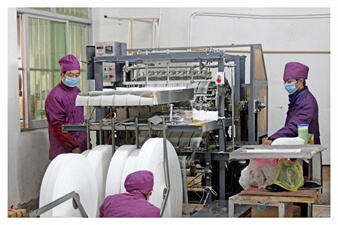
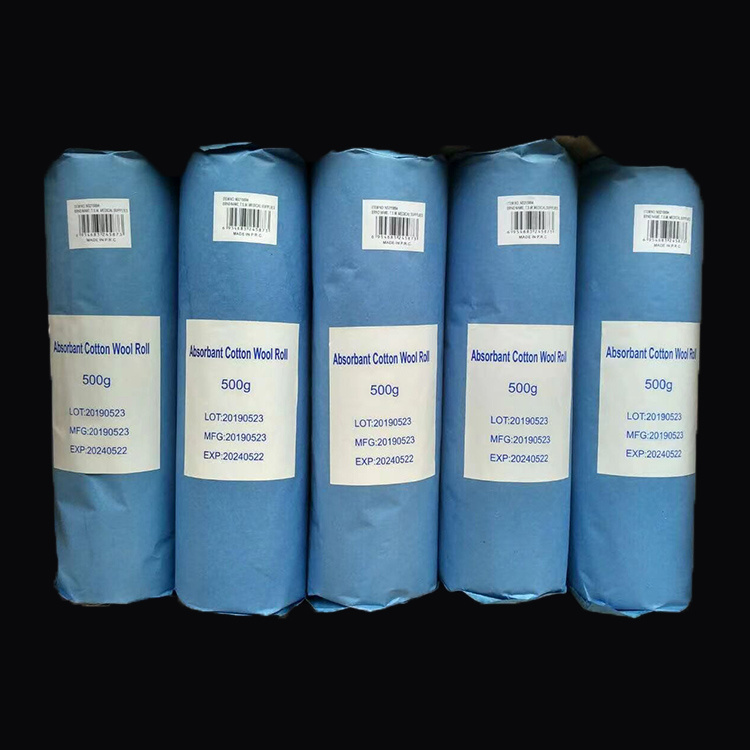
We produce both woven gauze and absorbent cotton lines, and we can supply specification sheets for tender submission. See our gauze roll and cotton roll ranges, or send us your tender document for a compliance check.